

Video Surveillance
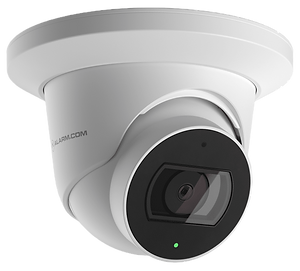
Video surveillance is a crucial security measure that utilizes various types of cameras, such as wired, wireless, and IP cameras, to monitor and protect properties. Cameras are commonly used in commercial settings, residential areas, and public spaces to deter crime and provide peace of mind.
Our team of proffesionals has extensive knowlege in the design, installation and maientence of viedo surveillance systems. Whether you are looking for a high-end analytics system or just a video doorbell we have the expertise to provide you a top notch experiance
Services
There are several different types of cameras used in video surveillance systems. In order to choose the best option it is important to understand the different types of cameras and their uses.

Camera Network and Video Recorders
IP cameras, or Internet Protocol cameras, are video cameras that transmit and receive data over a network. They transmit video signals through Cat 6 cables to recording device, such as a NVR.. IP cameras offer high-resolution video quality and can be easily integrated with other security systems. With features like motion detection and night vision, they provide enhanced security for both residential and commercial properties.

IP Cameras and Analog Cameras
Analog security cameras are traditional surveillance devices that capture video footage using analog technology. They transmit video signals through coaxial cables to recording device, such as a DVR. Known their reliability and ease of installation, these cameras are often used in various settings, from homes to businesses. While they may not offer high-definition quality of modern digital cameras, Analog security cameras remain a cost-effective solution for basic surveillance needs.

Analytics, Motion Dection, License Plate Readers
Wireless secuirty cameras are Wireless security cameras provide a convenient and cost effective way to monitor your home or business. With easy installation and remote access, you can keep an eye on your property from anywhere.
IP cameras and analog cameras differ primarily in how they transmit and process video data. IP cameras use digital signals and are connected to a network, allowing for remote access and higher resolution images. In contrast, analog cameras transmit video through coaxial cables and typically offer lower resolution. Analog cameras are typically found in older installtions.
IP cameras often come with advanced features such as motion and video analytics, which are not commonly found in analog systems.